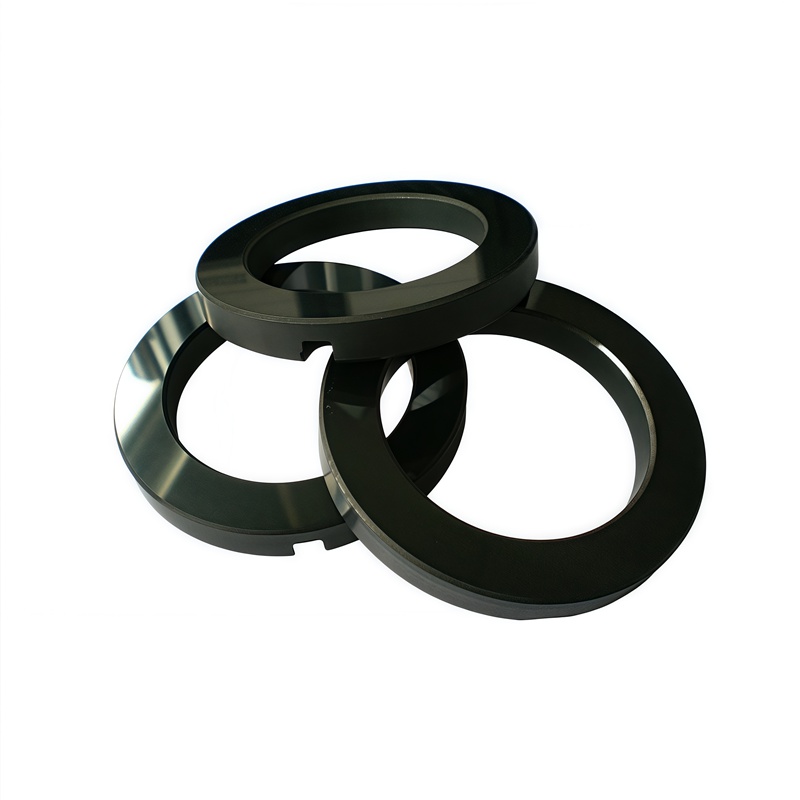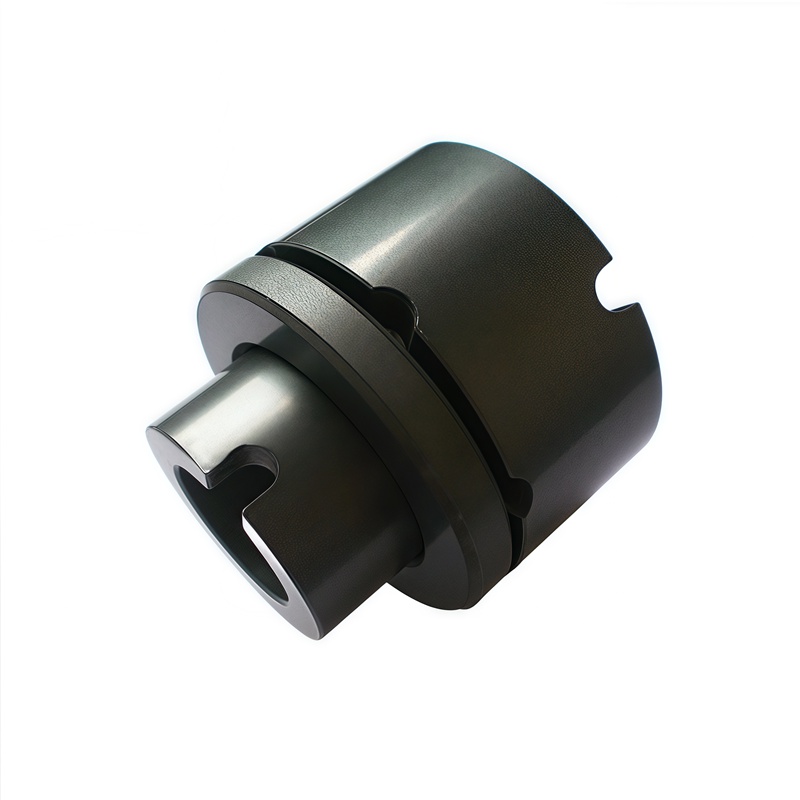
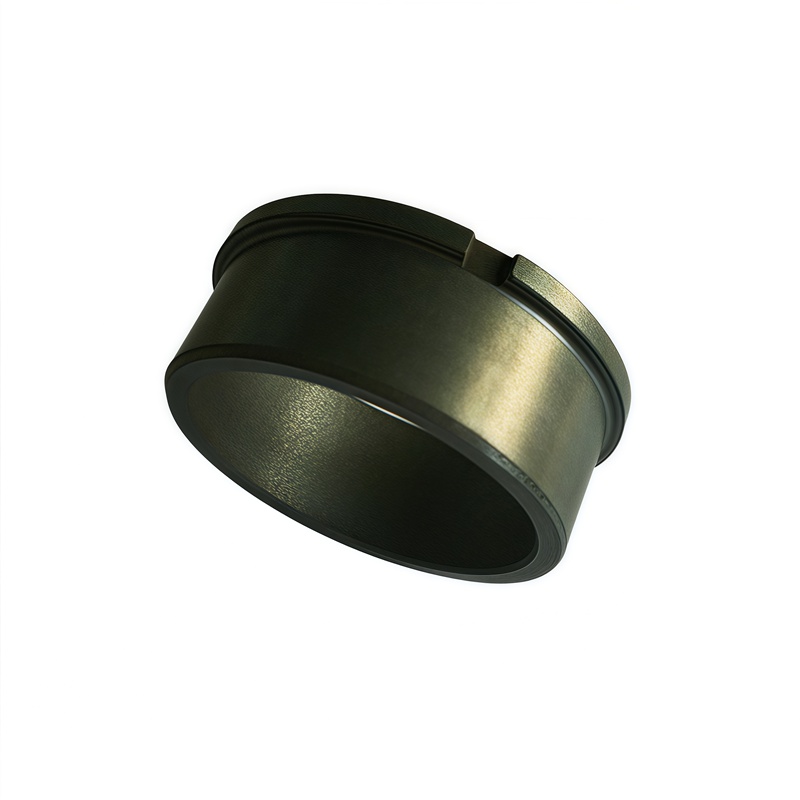
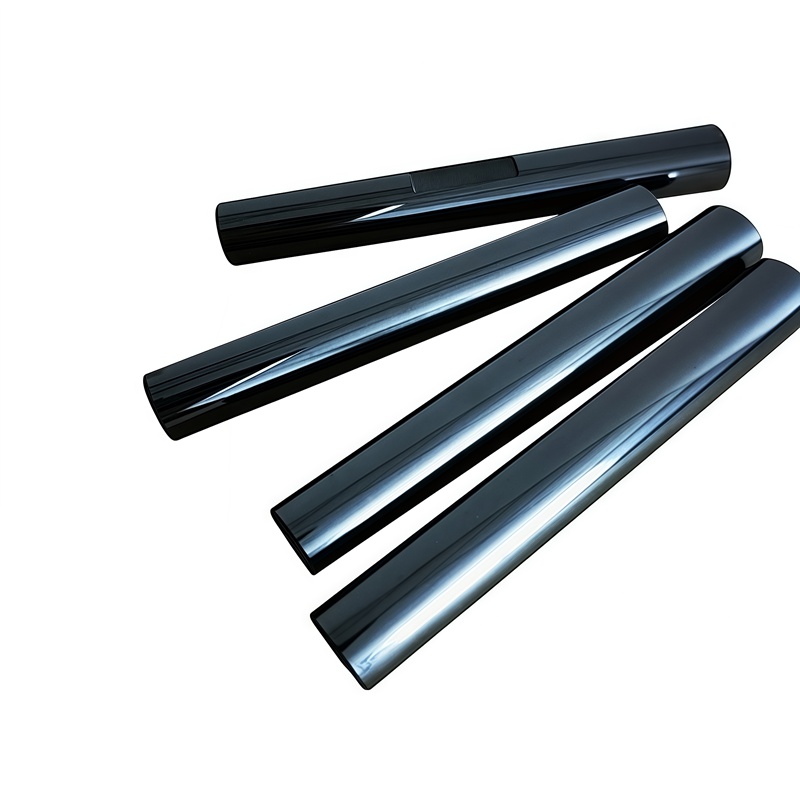
Silicon carbide (SiC) can be manufactured using two primary methods: reaction bonding and sintering. Each process has a significant influence on the final microstructure and performance characteristics of the material.
Reaction-bonded SiC (RB-SiC) is produced by infiltrating a preform composed of silicon carbide and carbon with molten silicon. The silicon reacts with the carbon to form additional SiC, which acts as a binder for the existing SiC particles. This method results in a composite structure containing both original and newly formed SiC, along with some residual free silicon.
Sintered SiC (SSiC), on the other hand, is manufactured using high-purity SiC powder combined with non-oxide sintering aids. The powder is shaped using standard ceramic forming techniques and then sintered at temperatures reaching 2000°C or higher in an inert atmosphere. This results in a fully dense, monolithic SiC material with no residual silicon.
Both reaction-bonded and sintered forms of SiC offer excellent wear resistance, high mechanical strength, and strong thermal shock resistance. However, their distinct micro-structures give them different advantages depending on the application. Our technical team is available to provide guidance on which type of SiC best suits your performance and design requirements.
| Properties | Value |
|---|---|
| Melting point (℃) | 1600 |
| Thermal Shock Resistance (℃) | 650 |
| Thermal conductivity (W/(m·K)) | 13 |
| Thermal expansion coefficient(×10⁶) | 1.5 |
| Specific gravity | 3.2 |
| Hardness(Hv)(GPa) | 16 |
• Parts for engines;
• Gas turbine parts
• Bearing,guide rolls;
• Cutting tools, pulverizer parts;
• Gas burner parts
| Properties | Value |
|---|---|
| Melting point (℃) | 2730 |
| Thermal Shock Resistance (℃) | 450 |
| Thermal conductivity (W/(m·K)) | 150 |
| Thermal expansion coefficient(×10⁶) | 2.9 |
| Specific gravity | 3.1 |
| Hardness(Hv)(GPa) | 24 |
• Parts using hot water
• Slide parts: Bearing, Mechanical seals
• DPF components(filters collecting dust)