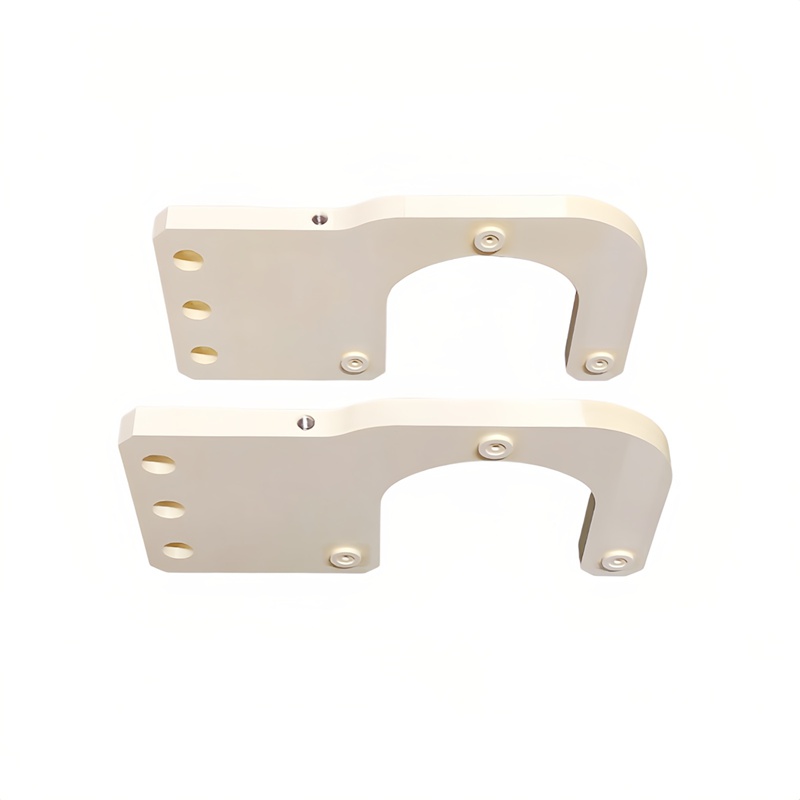
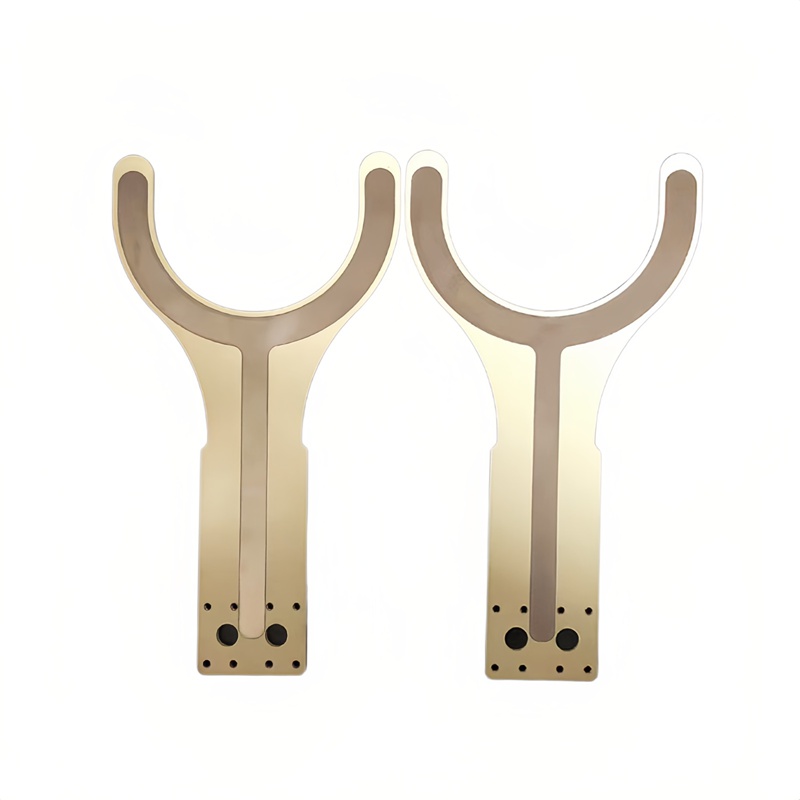
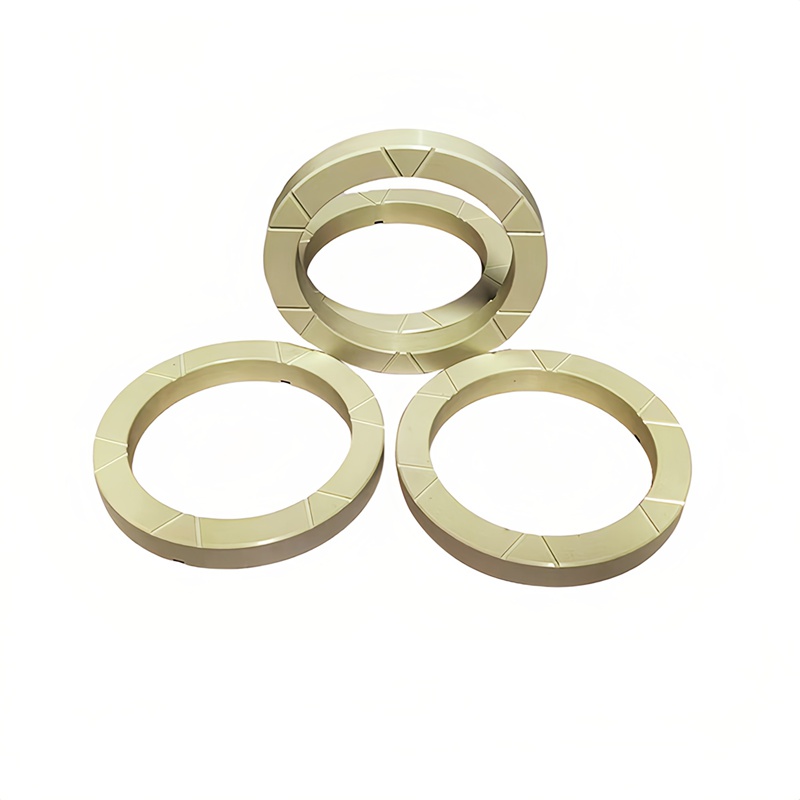
ESD are advanced ceramic materials engineered to prevent or safely dissipate static electricity. Unlike conventional ceramics, which are excellent electrical insulators, ESD-safe ceramics are modified to have controlled electrical conductivity or surface resistivity.
Key Characteristics:
Surface resistivity: Typically in the range of 10⁶ to 10¹¹ ohms/square
Materials used: Often based on alumina, silicon nitride, or zirconia, doped with conductive phases (e.g. TiC, TiN, or carbon)
Mechanical strength: Maintains high hardness, wear resistance, and thermal stability
Static dissipation: Prevents static buildup that could damage sensitive electronic components
Applications:
Semiconductor manufacturing equipment
Electronics handling trays and tools
Clean room environments
Precision fixtures and insulators requiring static control
These materials combine the durability of ceramics with the static protection essential in modern electronics and high-tech manufacturing.